Machined Forgings
Forged for strength, machined for precision. AMN Engineering forges, heat treats and CNC machines your parts under one roof in Lahore, Pakistan, so one supplier takes a forging from raw bar to a finished, inspected component. Flanges, shafts, gear blanks, ball joints and chassis parts in carbon, alloy and stainless steel, exported worldwide.


 Trusted by industry leaders
since 1999
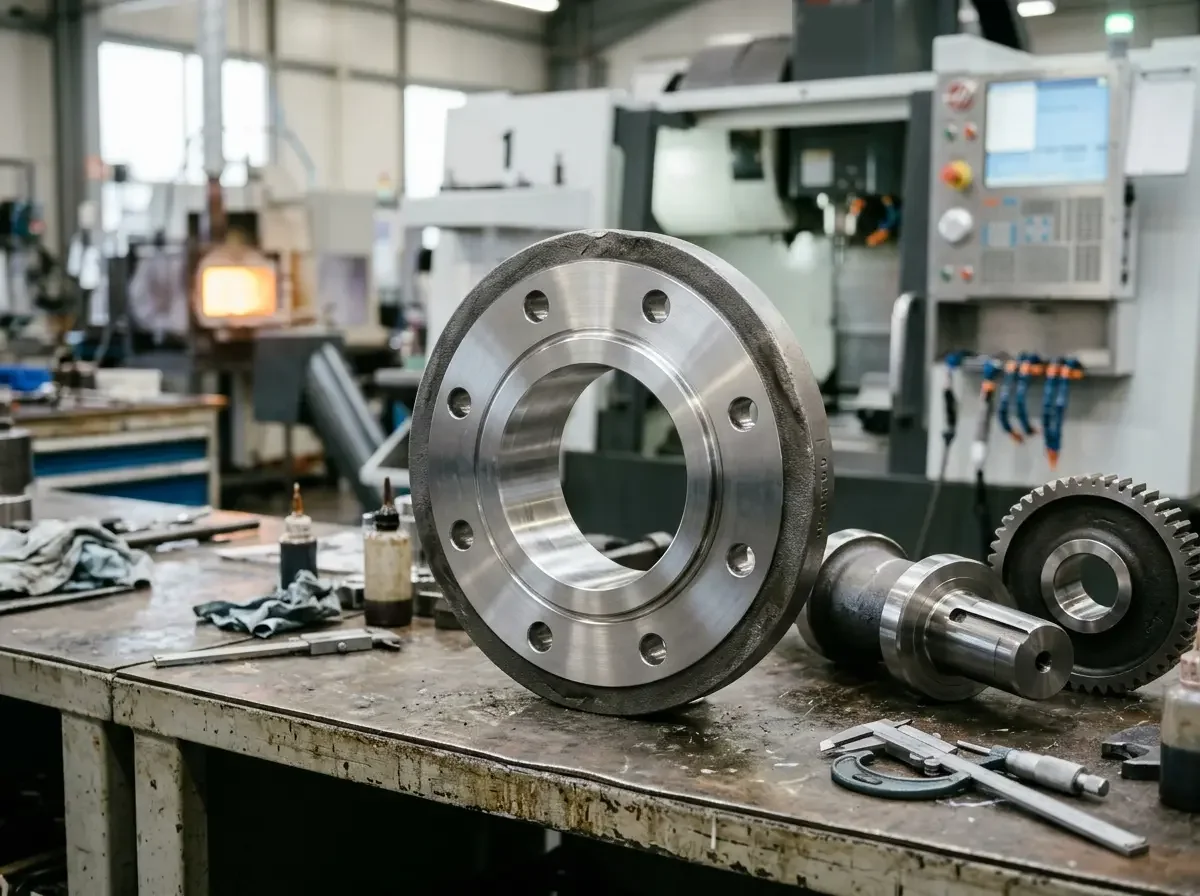
- Forgings up to 500kg
- ±0.02 to 0.05mm Machined
- All In-House
How does AMN Engineering make machined forgings?
Every process in-house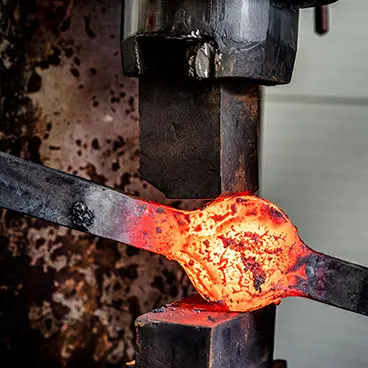
Open and Closed Die Forging
In-houseHot forging to a near net shape, with grain flow that follows the part contours
In-House Heat Treatment
In-houseNormalizing, annealing, hardening and tempering, plus induction and case hardening of wear areas
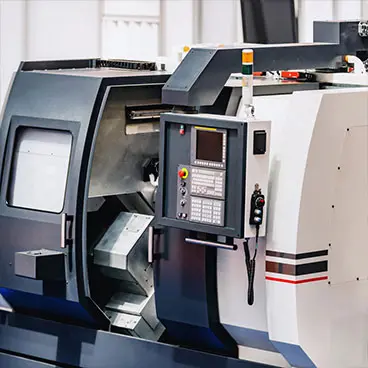
CNC Turning and Milling
In-houseBores, diameters, faces, threads, keyways and hole patterns machined to ±0.02 to 0.05mm
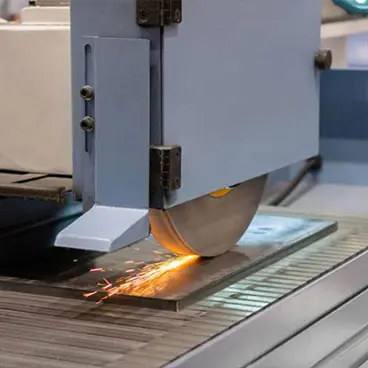
Precision Grinding
In-houseBearing seats and sealing faces ground when the drawing calls for a finer finish or tighter size
Machining of Supplied Parts
In-houseWe also machine forgings and castings that you supply, to your drawing
Inspection and Documentation
In-houseDimensional inspection and material certificates with every order
Technical Specifications
| Process Route | Forging, heat treatment, CNC machining and inspection, all in-house |
|---|---|
| Forging Weight | Up to 500 kg |
| Tolerance | ±0.02 to 0.05mm after machining (forged surfaces ±0.5mm) |
| Materials | EN8, EN9, C45, EN19, EN24, 42CrMo4, MnCr steels, SS304, SS316, aluminum, titanium |
| Heat Treatment | Normalizing, annealing, hardening and tempering, induction and case hardening |
| Order Size | No minimum for prototypes; production runs from 50 pieces |
| Documentation | Material certificates and dimensional inspection reports |
| Lead Time | Confirmed with your quote, based on the part, material and quantity |
How It Works
From your drawing to delivered parts in four simple steps
- TodayStep 1
Send Your Drawing
Share your CAD file, PDF, sketch, or sample via email or WhatsApp
Email or WhatsApp - QuoteStep 2
Receive Your Quote
We review specs, suggest materials if needed, and provide detailed quotation
Free quote - ProductionStep 3
We Manufacture
Your parts are manufactured in-house at our Lahore facility with full QC
In-house, full QC - DeliveryStep 4
QC & Delivery
Every part inspected, documented, and shipped worldwide
Inspected & documented
Materials We Work With
Carbon Steel
EN8, EN9 and C45 for shafts, flanges and general parts
EN8 vs EN24 vs SS304Alloy Steel
EN19, EN24 and 42CrMo4 for high strength and toughness
Heat treatment explainedMnCr Steel
Case hardening grades for gears and wear parts
Stainless Steel
SS304 and SS316 for corrosion resistance
Compare stainless gradesAluminum and Titanium
Light, strong forgings for weight sensitive parts
Material certificates
Mill test certificates with every batch, so each grade is traceable
How to read an MTCNeed another grade?
Send your specification and we will confirm the material and source it for you
Ask in your quote
Why AMN Engineering
All Processes In-House
CNC, laser, welding, galvanizing, threading under one roof
Global Shipping
We export worldwide - USA, UK, Germany, GCC, and more
Order size
No minimum for prototypes; production runs from 50 pieces
Reverse Engineering
Send a part, we replicate it without drawings
25+ Years Experience
Manufacturing since 1999
Quality Documentation
Material certs, inspection reports, third-party available
Trusted by manufacturers across six industries






Machined Forgings from Lahore, Pakistan
A machined forging is a part that is first forged close to its final shape and then CNC machined to its finished dimensions. Forging gives the part a dense, continuous grain flow that makes it stronger and more fatigue resistant than the same part cut from bar or cast. Machining then adds what forging cannot: accurate bores, bearing seats, threads, sealing faces and hole patterns.
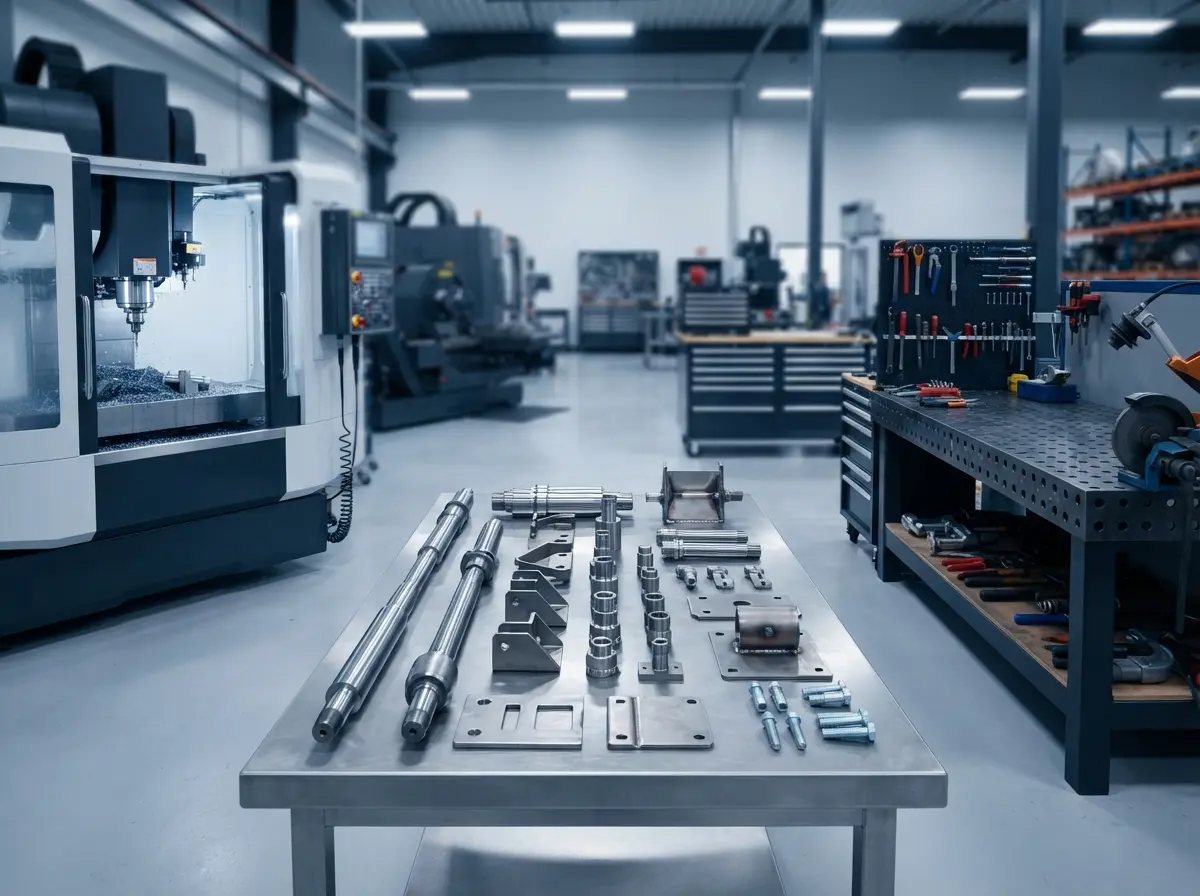
AMN Engineering does every step in one factory in Lahore, Pakistan. We forge the blank, heat treat it in-house (normalizing, annealing, hardening and tempering, or induction and case hardening), then turn, mill and, where needed, grind it to tolerances of ±0.02 to 0.05mm. Because the part never moves between separate forge shops, heat treaters and machine shops, there are no hand-offs to delay it and one team is responsible for the finished component.
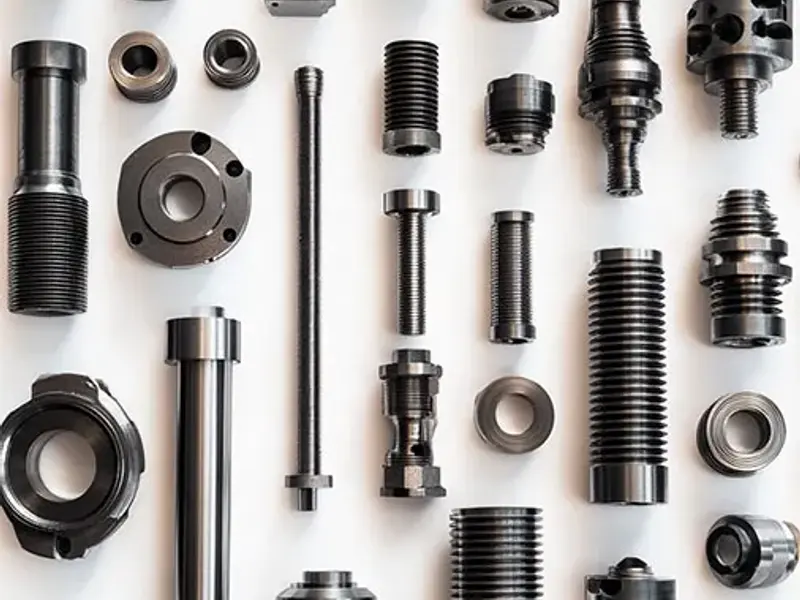
Typical machined forgings we produce include flanges and rings, shafts and axles, gear and pump blanks, ball joints, motor chassis components, and brackets, levers and lifting hooks, in carbon steel (EN8, EN9, C45), alloy steel (EN19, EN24, 42CrMo4), MnCr steels, stainless steel (SS304, SS316), aluminum and titanium. Forgings range up to 500 kg. If you already have forgings or castings from another source, we can machine those to your drawing as well.
Our machined forgings go to automotive, oil and gas, valve, pump, power transmission, lifting and construction customers in the United States, United Kingdom, Germany, the Gulf and worldwide. Send us your drawing with material, quantity and any heat treatment requirement, and we will reply with a detailed quotation.
Frequently Asked Questions
Straight answers from our engineering team.
Machined forgings are parts that are forged to a near net shape and then CNC machined to final dimensions. Forging provides strength and fatigue resistance through continuous grain flow, and machining provides the accurate bores, faces, threads and fits that forging alone cannot achieve.
Forge first when the part carries high or repeated loads, such as shafts, flanges, ball joints, hooks and gear blanks, or when machining it from solid bar would waste a lot of material. A forged blank is stronger than bar stock and needs less machining. For low stress parts in small quantities, machining from bar can be cheaper because it needs no forging die.
Machined features are held to ±0.02 to 0.05mm. Unmachined forged surfaces are typically ±0.5mm. Where a drawing needs a finer finish or tighter size on bearing seats or sealing faces, we add precision grinding.
We work with EN8, EN9, C45, EN19, EN24, 42CrMo4, MnCr steels, SS304, SS316, aluminum and titanium. Typical parts include flanges and rings, shafts and axles, gear and pump blanks, ball joints, motor chassis components, and brackets, levers and hooks, with forgings up to 500 kg.
Yes. Along with the forgings we make ourselves, we machine customer-supplied forgings and castings to your drawing, including turning, milling, drilling, threading and grinding.
Yes. Normalizing, annealing, hardening and tempering, and induction and case hardening are all done in our own facility, so the forging, heat treatment and machining sequence stays under one roof. Material certificates and dimensional inspection reports are provided with every order.
Related Articles
 Processes
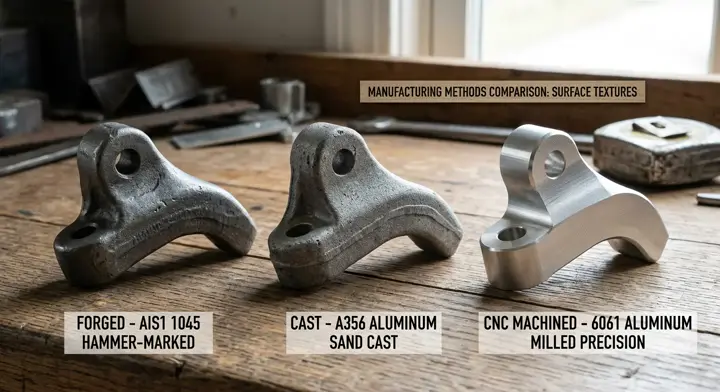
Forging vs Casting vs Machining
Strength, cost, and when to use each manufacturing process.Read article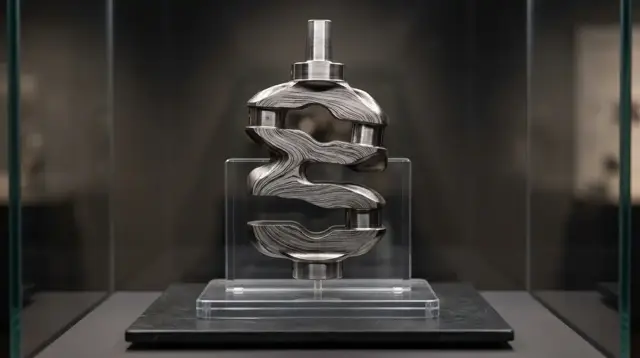 Processes
Why Forged Parts Are Stronger
Grain flow, fatigue life, and when forging beats bar stock.Read article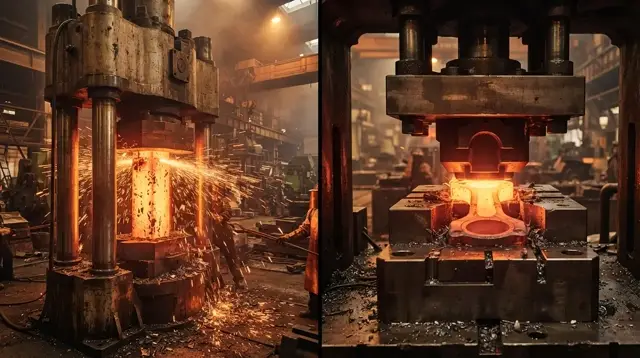 Processes
Open Die vs Closed Die Forging
Shape, batch size, and cost: which forging method fits your part.Read article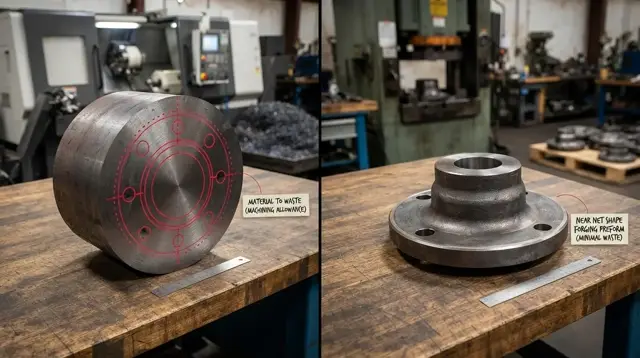 Processes
How Forging Reduces Material Waste
Near net shape forging versus machining from solid billet.Read article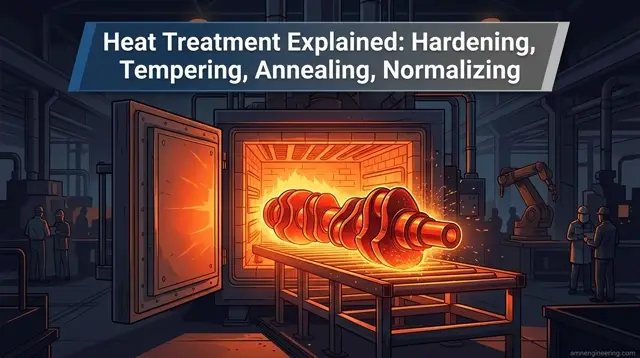 Materials
Heat Treatment of Steel Explained
Annealing, normalizing, hardening, and tempering in plain terms.Read article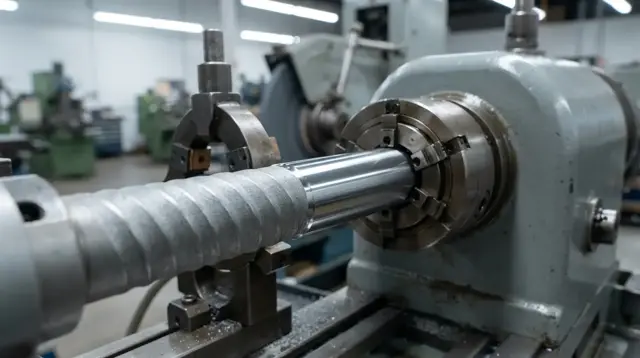 Processes
When to Add Grinding After CNC
Finish and tolerance points where grinding pays for itself.Read article
Need Forged and Machined Parts?
Send us your drawing or specifications. We'll respond with a detailed quote.
- Free, detailed quote
- No MOQ for prototypes
- ISO 9001:2015 certified